
Wedding Transportation Tips for Columbus Couples
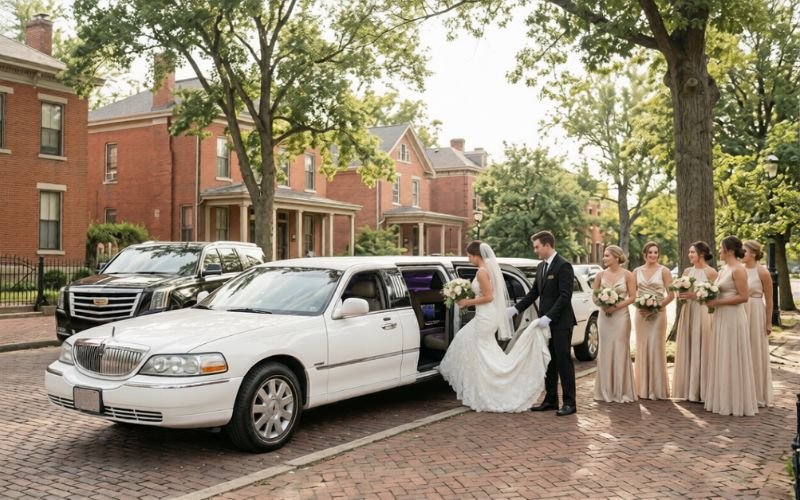
Columbus weddings rarely happen in a single location. Couples often book a ceremony venue in German Village or Downtown, a reception space in Dublin or New Albany, and hotel blocks somewhere convenient for guests flying into John Glenn International. Moving everyone between those points takes some coordination, which is why transportation shows up early on the wedding checklist.
Why Transportation Matters On A Columbus Wedding Day
Wedding days run on tight schedules, and Columbus traffic does not always cooperate. Construction near I-270, event traffic around Ohio Stadium, and weekend congestion through Short North can add fifteen to thirty minutes to drives that look quick on a map. Sorting out transportation early gives couples breathing room when something runs late.
Guests benefit too. When older relatives or out-of-town friends know exactly when a shuttle leaves the hotel, they spend less time worrying about parking and directions.
Common Columbus Venue Location Challenges
Wedding venues across Central Ohio sit far apart, and Franklin County covers both city and suburban areas. Couples planning a multi-stop day in Columbus usually run into the same handful of issues:
- Limited curb space near downtown and German Village ceremony sites
- One-way streets through Short North and the Brewery District that confuse out-of-town drivers
- Weekend congestion near Ohio Stadium during football season and major festivals
- Travel times of forty minutes or more between city and suburban venues
- Tight parking availability around the Arena District on event nights
Mapping Distance Between Ceremony And Reception
Couples who pick a church in German Village and a reception venue in Dublin should expect a thirty to forty-five minute drive depending on the day. Travel between New Albany and downtown runs longer during rush hour. Mapping every leg of the day with a buffer helps avoid underestimating how long it takes a hundred guests to load into cars and reach the next stop.
Choosing Vehicles That Match The Wedding Size
Vehicle choice depends on guest count and how many stops the day involves. Smaller weddings under fifty guests usually only need transportation for the couple and immediate wedding party. Medium-sized weddings of one hundred to two hundred guests often add hotel shuttles to move everyone between blocks and the reception. Larger weddings with multiple hotel pickups and a separate ceremony site commonly run two or three vehicles on staggered schedules.
Many couples also arrange a separate ride for parents and grandparents who prefer easier entry and shorter wait times.
Planning Around Out Of Town Guests
Visitors flying into John Glenn Columbus International Airport usually stay near downtown, Easton, or Polaris. Hotel choice changes how shuttles get planned. One central pickup hotel keeps things simple. Three scattered hotels need longer windows, multiple drivers, or one larger vehicle making rounds.

Guests also appreciate knowing the pickup spot, departure time, and expected arrival window in advance, so they are not chasing answers on the morning of the wedding.
What Bridal Parties Usually Need From Transportation
Wedding party transportation has different requirements from guest shuttles:
- Enough space for dresses, suits, and a few bouquets
- Comfortable seating for drives over twenty minutes
- Coordinated arrival times that line up with photographer schedules
- Quiet space for the couple before the ceremony
- Small time buffers before each stop to absorb delays
Coordinating Guest Shuttles Between Venues
Shuttle planning runs more smoothly with a few practical habits in place:
- Pickup and drop-off locations confirmed at least a week in advance
- Hotels chosen as primary shuttle hubs to keep routes simple
- Loading windows of fifteen to twenty minutes for full vehicles
- Schedules shared with venue coordinators and the day-of planner
- Late-night return trips planned so guests are not stuck waiting after midnight
How Columbus Traffic Patterns Affect Wedding Timing
Traffic across Central Ohio shifts depending on the day, time, and what else is happening in the city. Morning travel along I-270 and I-71 slows considerably between seven and nine. Evening congestion downtown peaks around five. OSU home games shut down major routes near campus, and events such as the Columbus Arts Festival, ComFest, and Red White and Boom can also clog downtown routes.
Couples planning a fall wedding should check the OSU football schedule before locking in arrival times near campus or downtown.
Seasonal Weather Considerations
Weather affects more of a Columbus wedding day than couples sometimes expect:
- Winter snow can delay travel and limit parking access in older neighborhoods
- Spring rain slows loading and tightens photo timing
- Summer heat makes covered or shaded pickup spots more comfortable
- Fall weekends bring heavy event traffic on top of normal congestion
- Indoor backup pickup zones reduce stress on rainy or snowy days
Coordinating Transportation With The Wedding Day Timeline
Transportation works best when it slots into the full schedule, not added on at the end. Hair and makeup wraps, first looks, photo sessions, ceremony processionals, and reception entrances each need their own travel buffer. Sharing the timeline with drivers ahead of time prevents miscommunication on the day. Small gaps between events soak up the minor delays that pile up over a long day.
How Early Columbus Couples Should Book Transportation
Booking early gives couples more options. Popular months such as May, June, September, and October fill quickly, especially Saturdays. Six to nine months out gives more vehicle choices, better timing windows, and room to adjust as guest counts shift. Late bookings often mean fewer options and shorter time slots for changes.
Transportation Notes For Downtown Columbus Venues
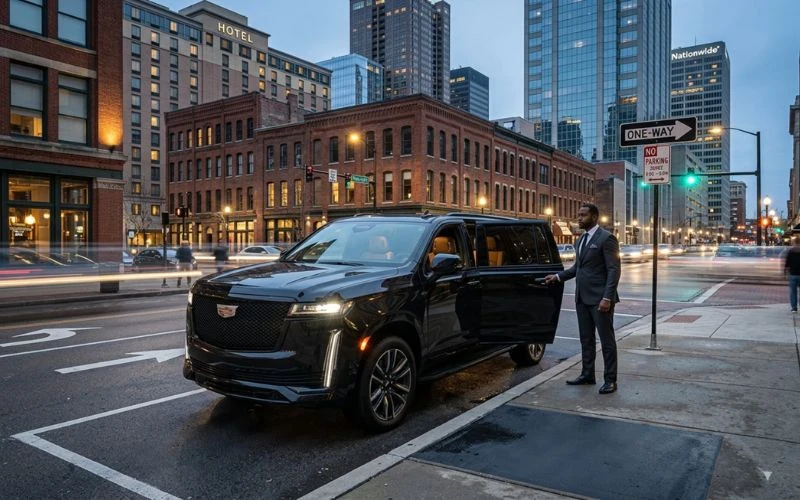
Downtown ceremony and reception sites come with their own quirks:
- Curb space tends to be limited and shared with other events
- Street closures during festivals and parades happen on short notice
- Parking restrictions tighten on weekends and game days
- One-way patterns through downtown can confuse drivers without GPS
- Designated loading zones are often enforced strictly
Accessibility And Comfort For Every Guest
Wedding guests show up with different mobility needs. Older relatives, guests using wheelchairs, parents with young children, and guests in formal attire all benefit from low step heights, sturdy handrails, and reasonable wait times. Vehicle choice matters here, and giving these guests slightly earlier pickup times keeps them from feeling rushed.
Communication Tips For Wedding Transportation Schedules
Couples can share transportation details with guests in a few simple ways:
- Wedding websites with a clear transportation page
- Printed cards left at hotel front desks
- Text reminders the day before pickup
- Clearly labeled pickup signs at each hotel
- A point-of-contact number for questions during the day
Frequently Asked Questions
How early should wedding transportation be planned in Columbus?
Six to nine months ahead works well for most couples, especially for weddings in May, June, September, or October. Booking earlier gives more vehicle options and flexibility around timing.
Do all wedding guests need transportation provided?
Not necessarily. Couples typically focus on guests staying in hotel blocks, elderly relatives, and out-of-town visitors. Local guests often drive themselves unless parking is limited at the venue.
How does Columbus traffic affect wedding schedules?
Rush hour traffic, OSU game days, and downtown festivals can add fifteen to thirty minutes to typical drives. Building buffer time into the schedule helps avoid late ceremony starts.
Is transportation different for downtown Columbus weddings?
Downtown weddings usually involve more parking restrictions, limited curb space, and occasional street closures. Loading zones and pickup points need to be confirmed in advance with the venue.
What transportation details should be shared with guests?
Pickup location, departure time, expected arrival window, and a contact number cover most questions. Sharing the information in more than one place reduces confusion on the day of the wedding.

Leave A Comment